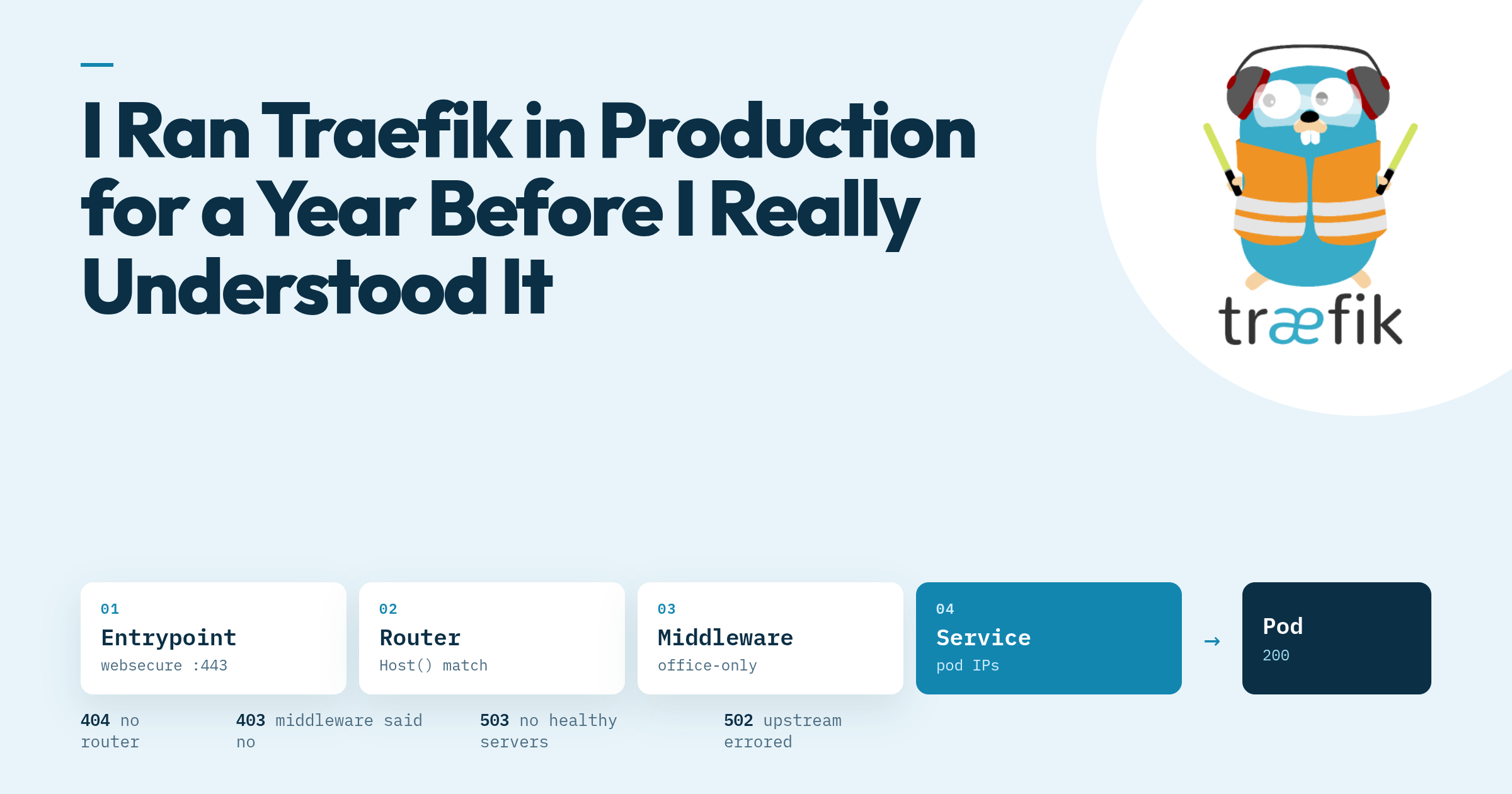
I Ran Traefik in Production for a Year Before I Really Understood It

The questions I should have asked before copying my first Middleware: how Traefik differs from NGINX beyond the YAML, which traffic it actually sees, what happens to a request between the entrypoint and the pod, why some changes need a restart, what a TLS 1.3 handshake really does with the certificate, and why we run more than one instance per cluster.
October 2026

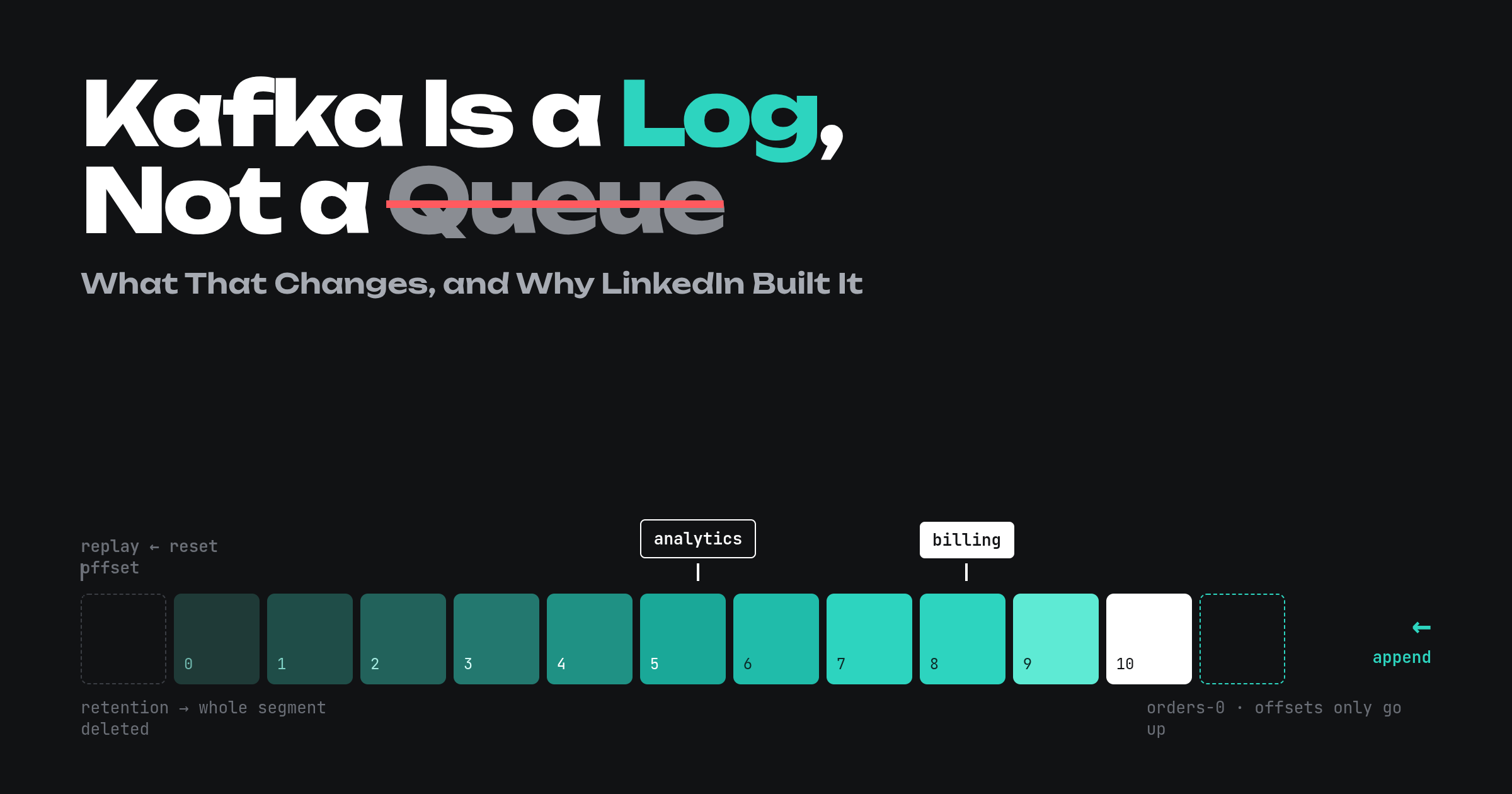
Kafka Is a Log, Not a Queue: What That Changes, and Why LinkedIn Built It

What Kafka actually is, from the partition file up: offsets, consumer groups, replication and retention, how it differs from a RabbitMQ-style queue and where a queue is still the better tool, and the LinkedIn problem that made a replicated log the right answer in 2010.

November 2026

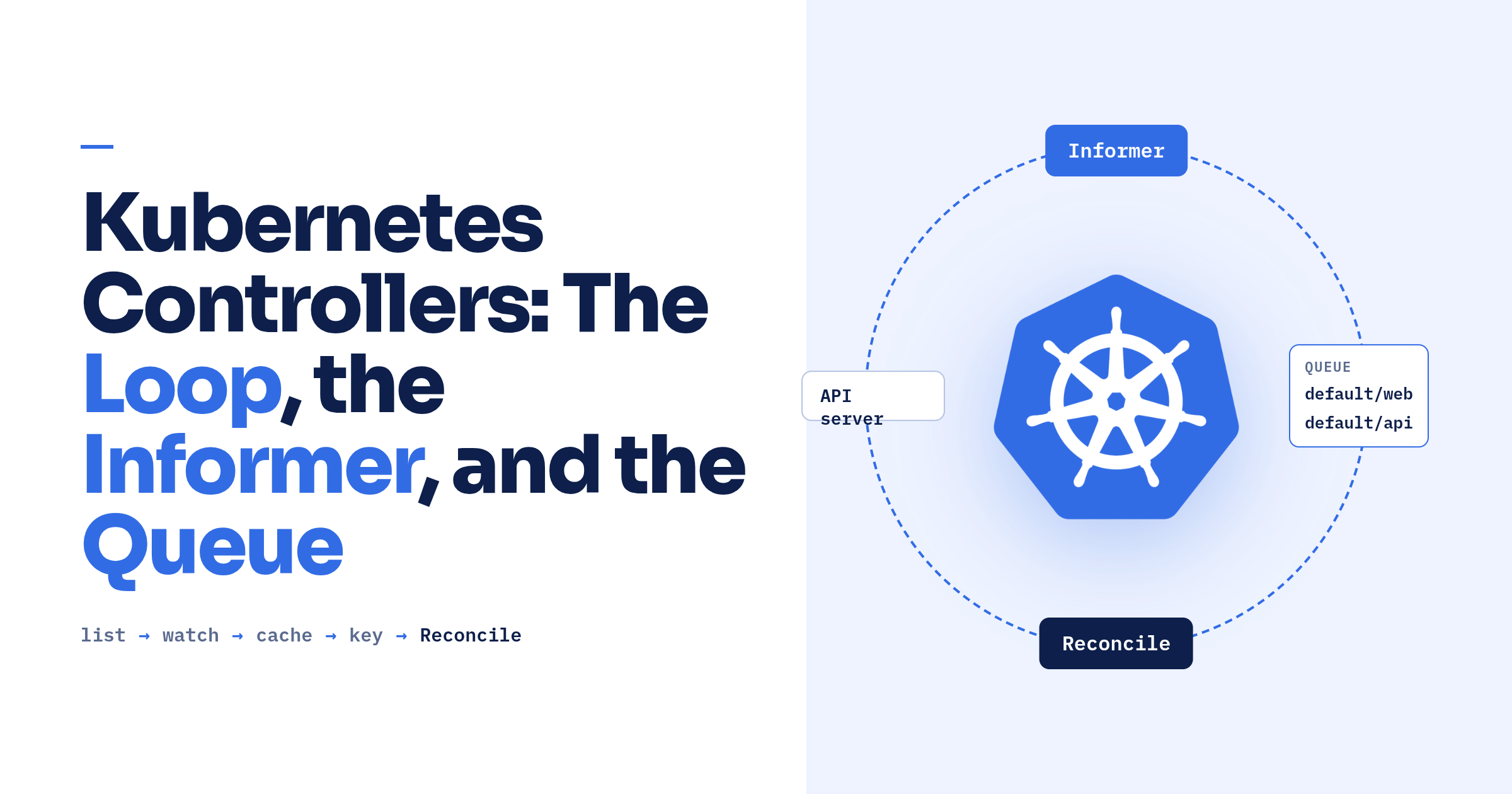
Kubernetes Controllers: The Loop, the Informer, and the Queue

How a Kubernetes controller turns a record in etcd into something real: the reconcile loop in Go, the informer that feeds it, the queue that removes duplicates and retries, and the parts that controller-runtime hides from you.

October 2026

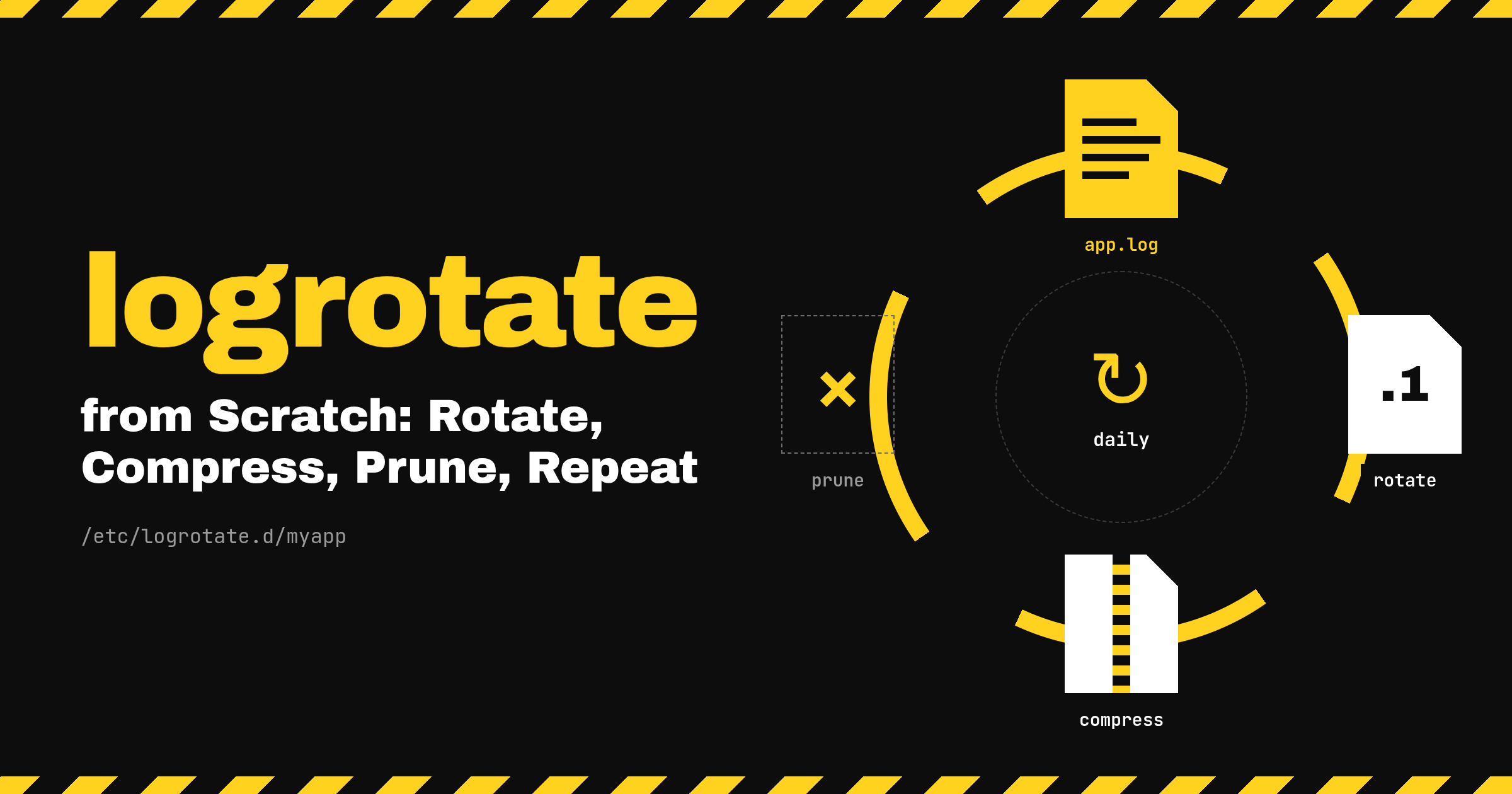
logrotate from Scratch: Rotate, Compress, Prune, Repeat

What logrotate actually does, what runs it and when, where its configuration and state live, how to write and test a rule for your own application, and the handful of sharp edges that stay hidden until it runs at a time you did not plan.

October 2026

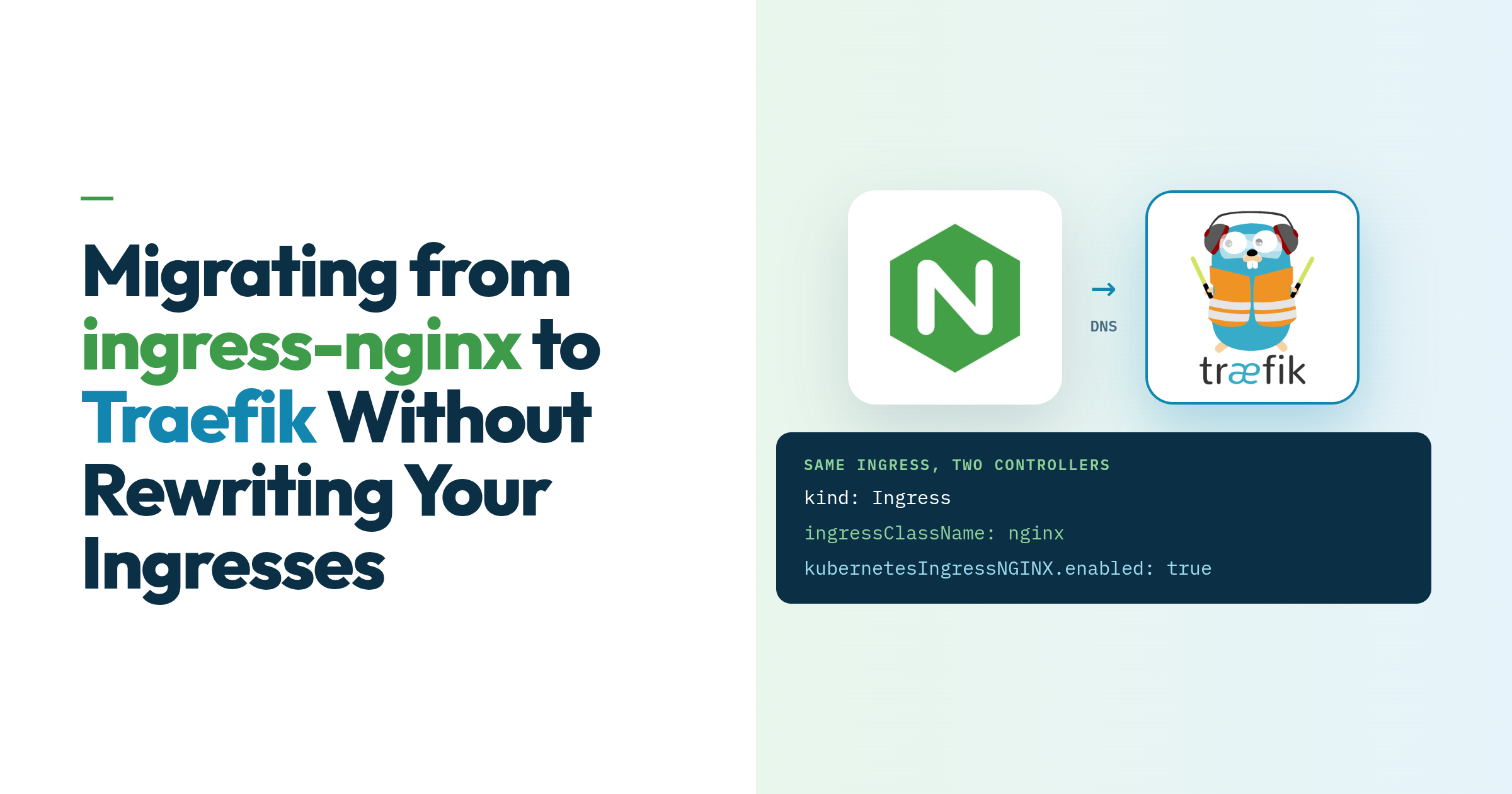
Migrating from ingress-nginx to Traefik Without Rewriting Your Ingresses

How to move a cluster off the retired ingress-nginx by running Traefik next to it on the same Ingress objects: what the Kubernetes Ingress NGINX provider translates and what it does not, the parallel run and DNS cutover step by step, the IngressClass you must not let Helm delete, and the things I would tell anyone operating Traefik for the first time.

October 2026

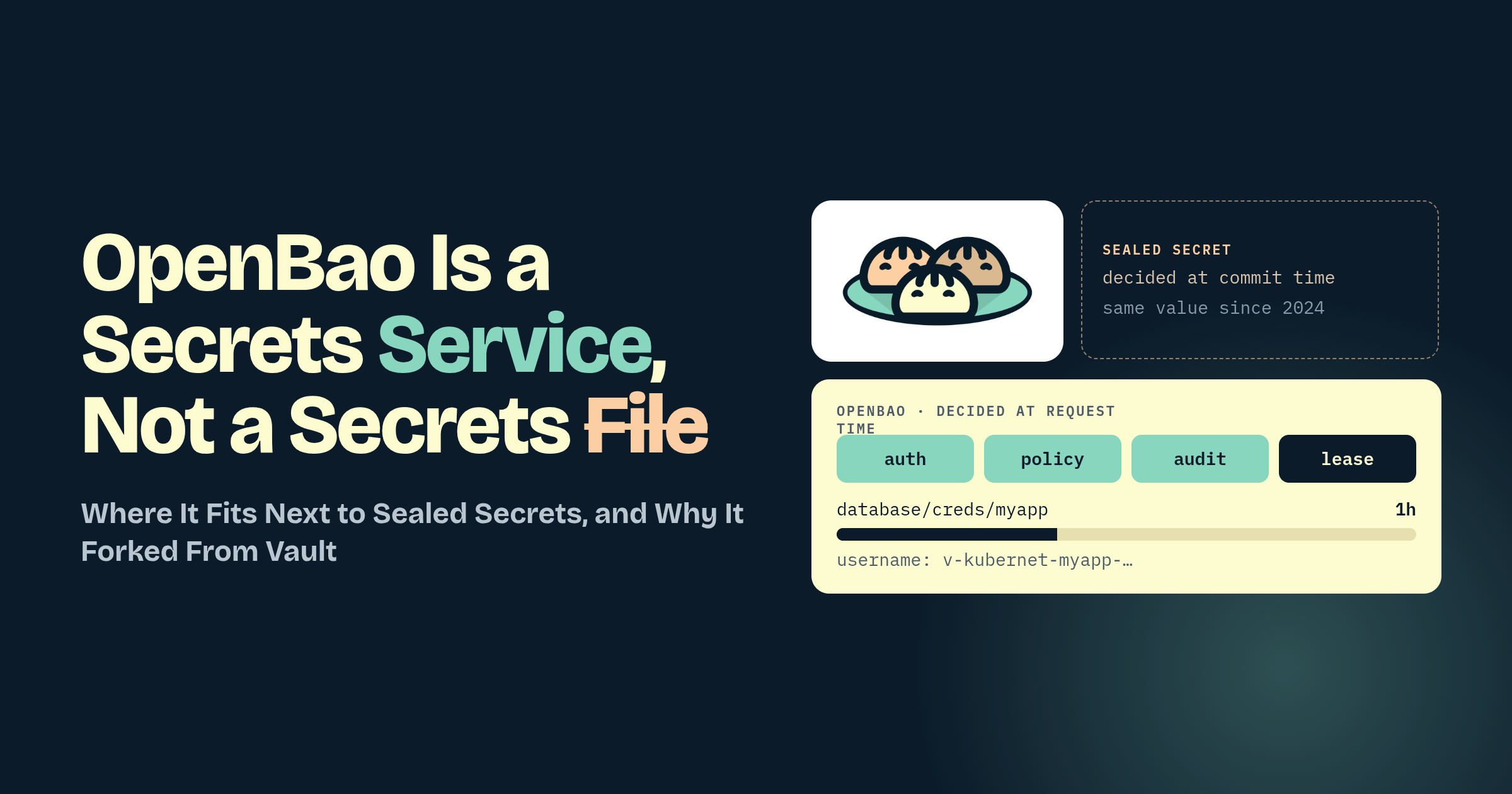
OpenBao Is a Secrets Service, Not a Secrets File: Where It Fits Next to Sealed Secrets, and Why It Forked From Vault

Why a secrets service is a different thing from an encrypted file in Git: OpenBao's seal, auth methods, policies, leases and audit, the three routes into a pod, what has changed since the Vault fork, and one Postgres password stored three ways.

November 2026

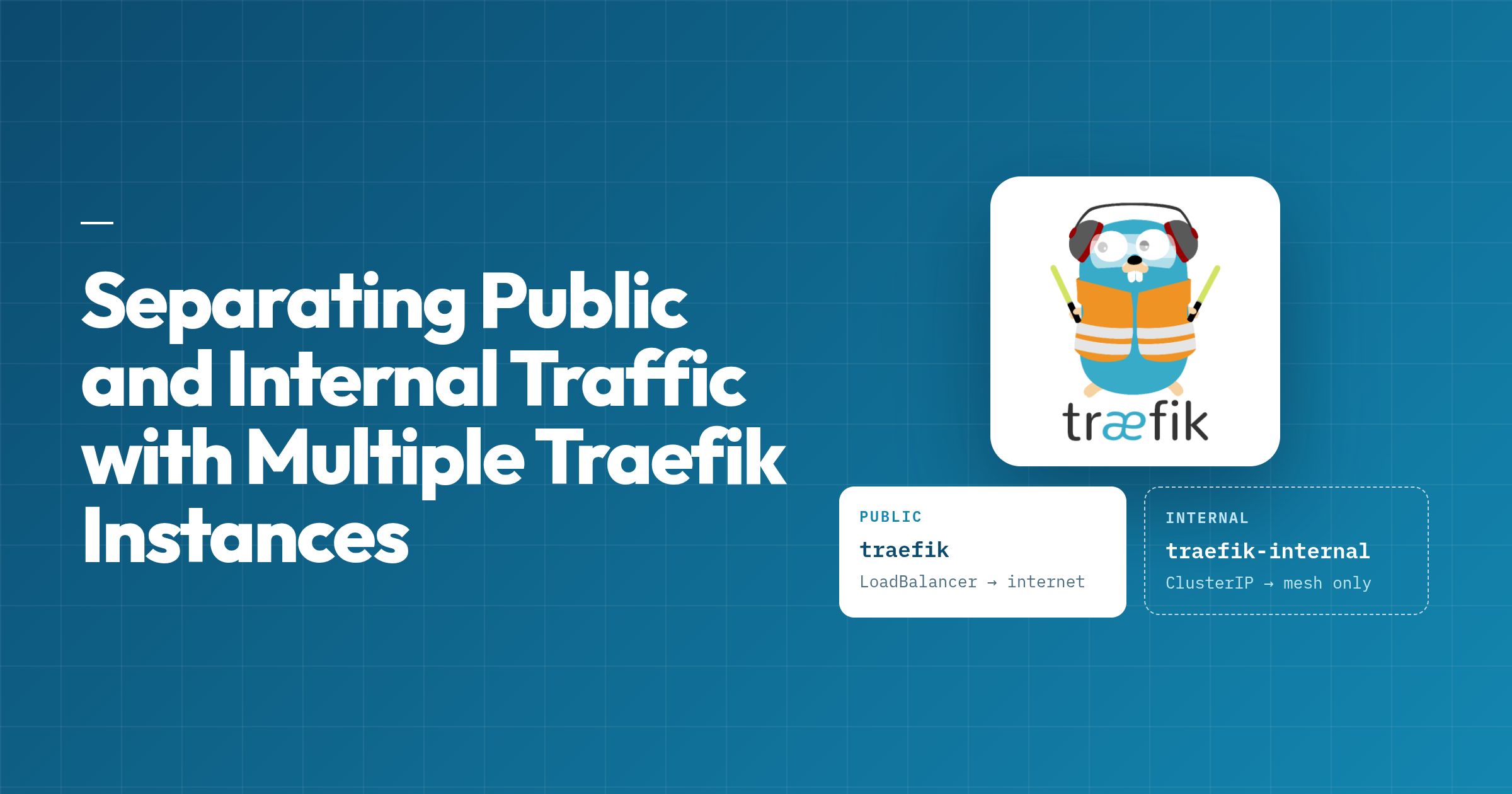
Separating Public and Internal Traffic with Multiple Traefik Instances

Why I run two Traefik instances per cluster instead of one Traefik with an auth middleware: how the IngressClass flag keeps them apart, the Helm values for each, how the internal one is reached over a mesh VPN, and the three-tier variant with an IP allow-list in the middle.

June 2026

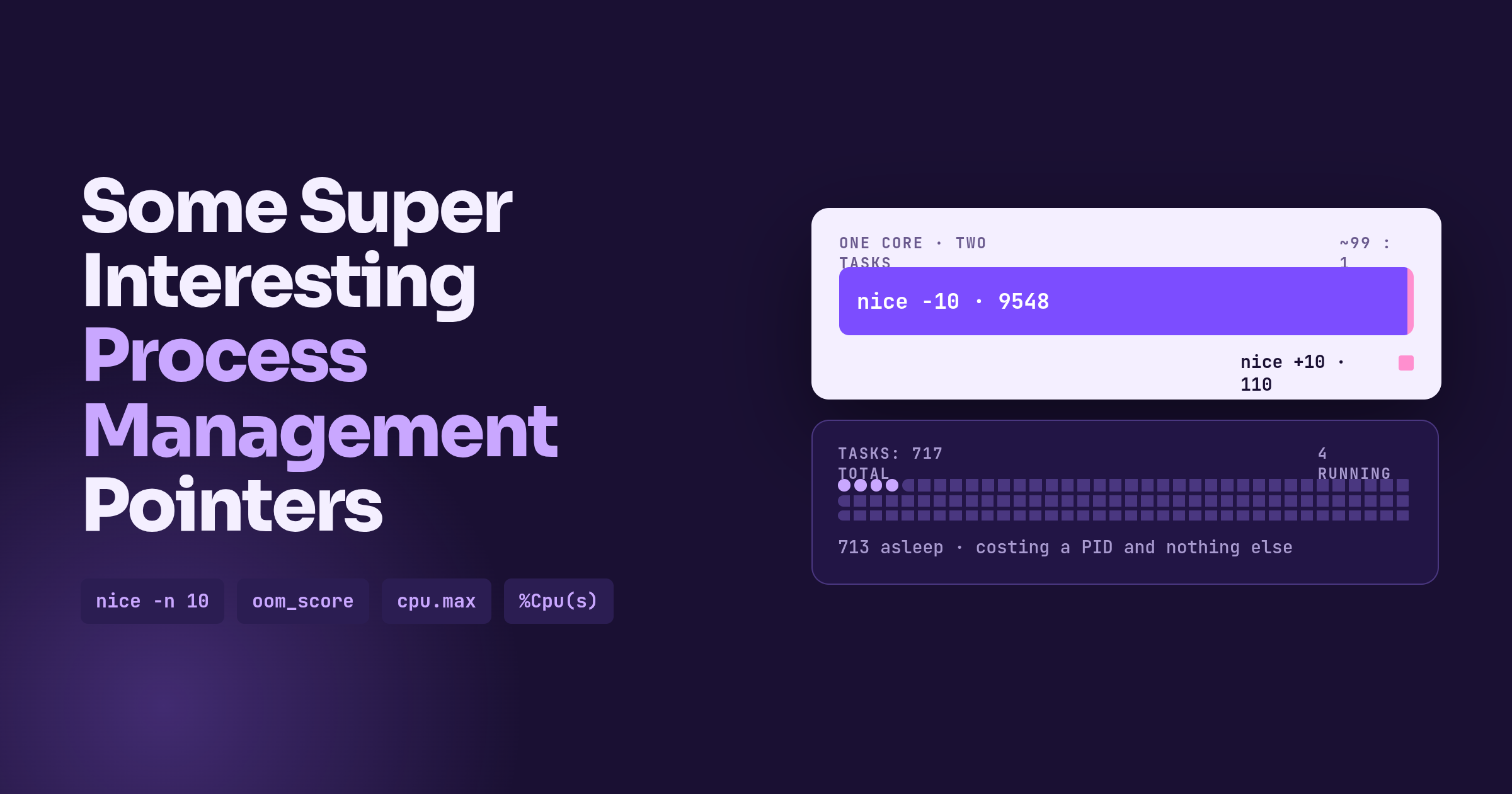
Some Super Interesting Process Management Pointers

nice and renice set a CPU scheduling weight and nothing else: the OOM killer reads oom_score, not NI. Why a lower nice cannot lift a cgroup cpu.max quota and why -10 versus +10 is a weight ratio of about 87 to 1 rather than 20 steps, what each field of top's %Cpu(s) line means and why it is every logical CPU summed, and why 717 tasks with 4 running means 713 of them are asleep.

November 2026

Ten Things to Get Right Before You Run Loki in Production

Deployment mode, object storage, label cardinality, multi-tenancy and auth, cross-cluster shipping, and the failures that are silent rather than loud. Written after moving a Loki install twice and debugging an object store that corrupted everything it was given.

August 2026

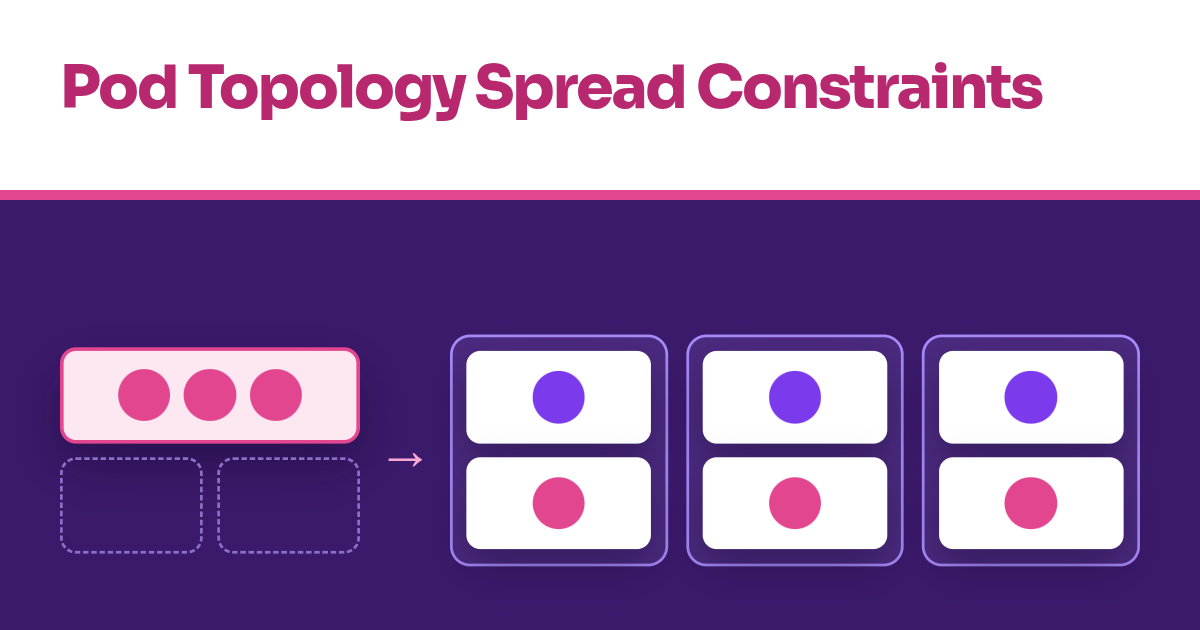
What's the Point of 3 Replicas If They're All on the Same Node? Enter Pod Topology Spread Constraints

A Deployment's replica count says nothing about where the replicas land, and three on one node is one failure from zero. Pod topology spread constraints give the count a shape: a topologyKey, the skew arithmetic the scheduler runs for every placement, a hard zone rule next to a soft hostname rule, matchLabelKeys so a rollout counts only its own ReplicaSet, and minDomains for zones that have no nodes yet. Plus the ways it quietly does nothing: a missing node label, no rebalancing after a drain or scale-down, and a zonal disk that pins the pod first.

November 2026