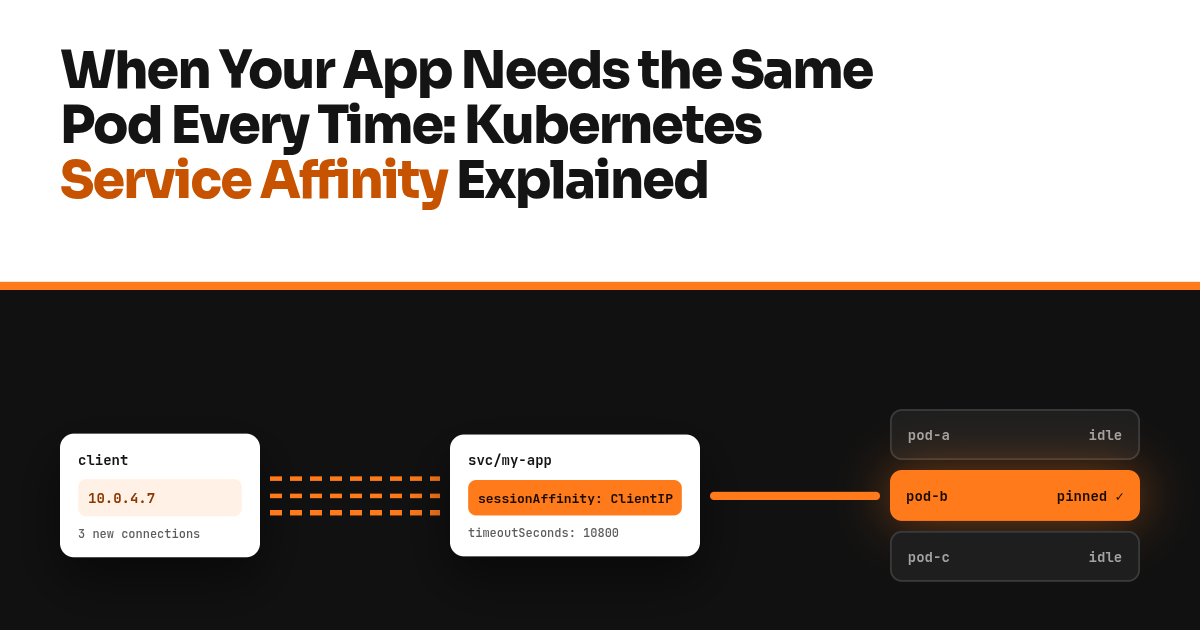
When Your App Needs the Same Pod Every Time: Kubernetes Service Affinity Explained

A Service picks a pod once per connection and forgets. sessionAffinity: ClientIP is the one knob that makes it remember, and it is narrower than the name suggests: it pins new connections only, by source address, in a per-node table with a sliding timeout. How kube-proxy builds it from the iptables recent match, IPVS persistence and nftables sets, why NAT and a non-sticky load balancer defeat it, why it does nothing behind Traefik, and what to use there instead.
November 2026

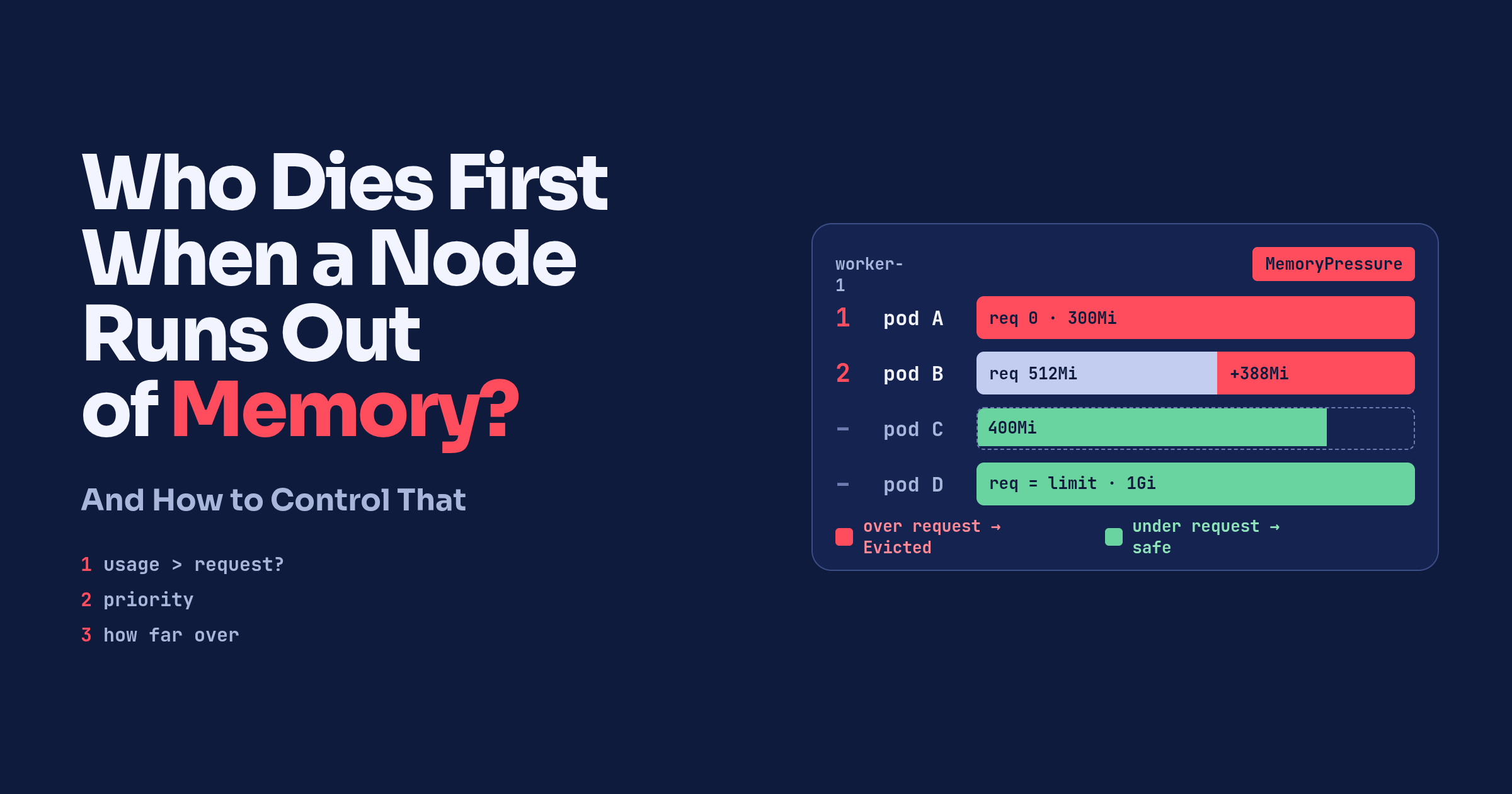
Who Dies First When a Kubernetes Node Runs Out of Memory? And How to Control That

The kubelet does not evict by QoS class. It sorts pods by usage over request, then priority, then how far over, and the only inputs you own are the pod's own requests and its priorityClassName. What requests and limits do, where QoS actually matters (the kernel OOM killer), what the eviction thresholds configure and what they cannot, and why Evicted and OOMKilled are two different programs killing for two different reasons.

November 2026

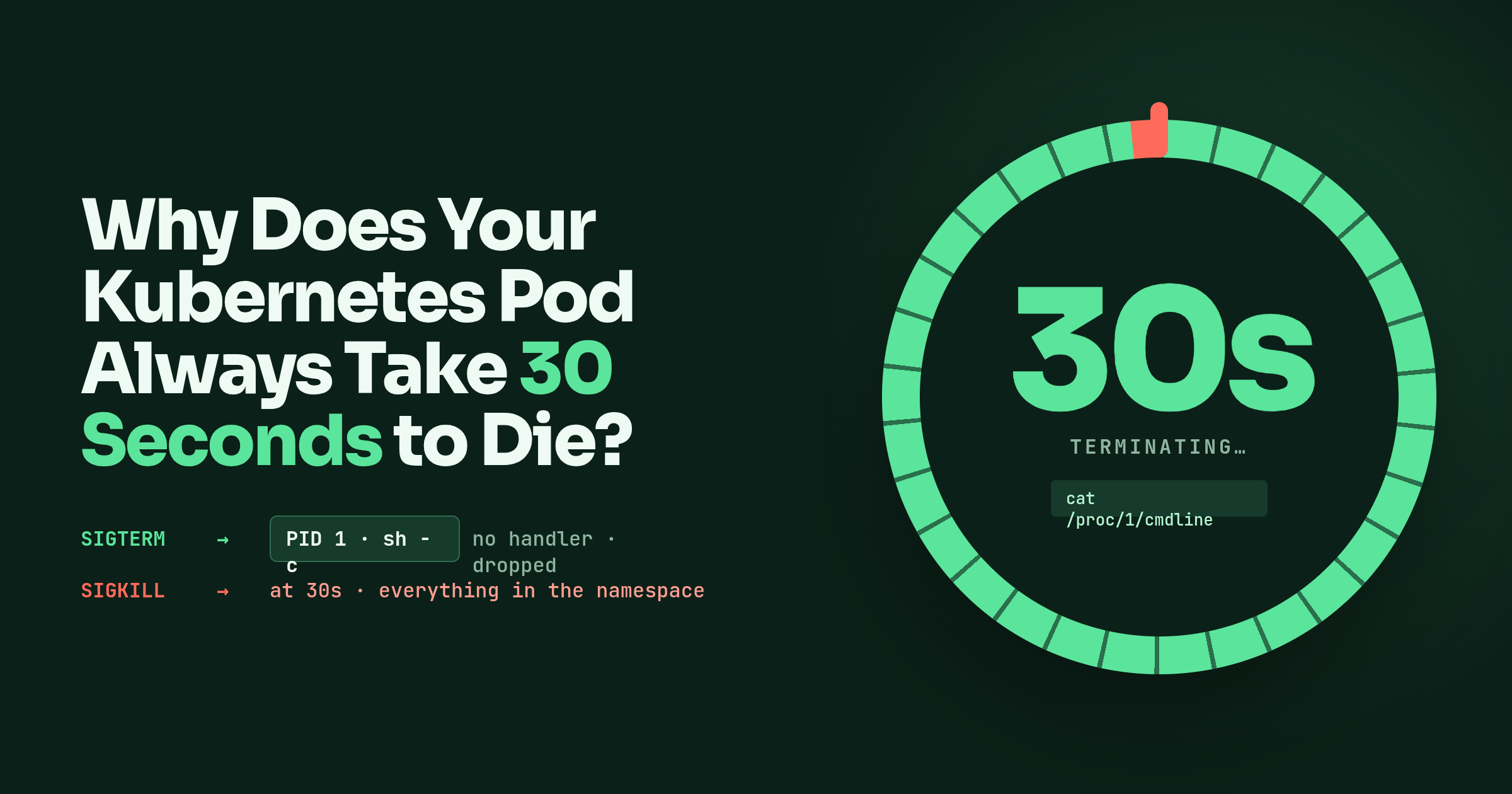
Why Does Your Kubernetes Pod Always Take 30 Seconds to Die?

A pod that takes exactly 30 seconds to terminate is a pod that never heard SIGTERM. Why the kernel refuses to deliver a default-action signal to PID 1, why a shell-form CMD puts sh in that seat and your app behind it, how to check what PID 1 actually is in a running container, and the three fixes: exec form, a real signal handler, or tini.

November 2026

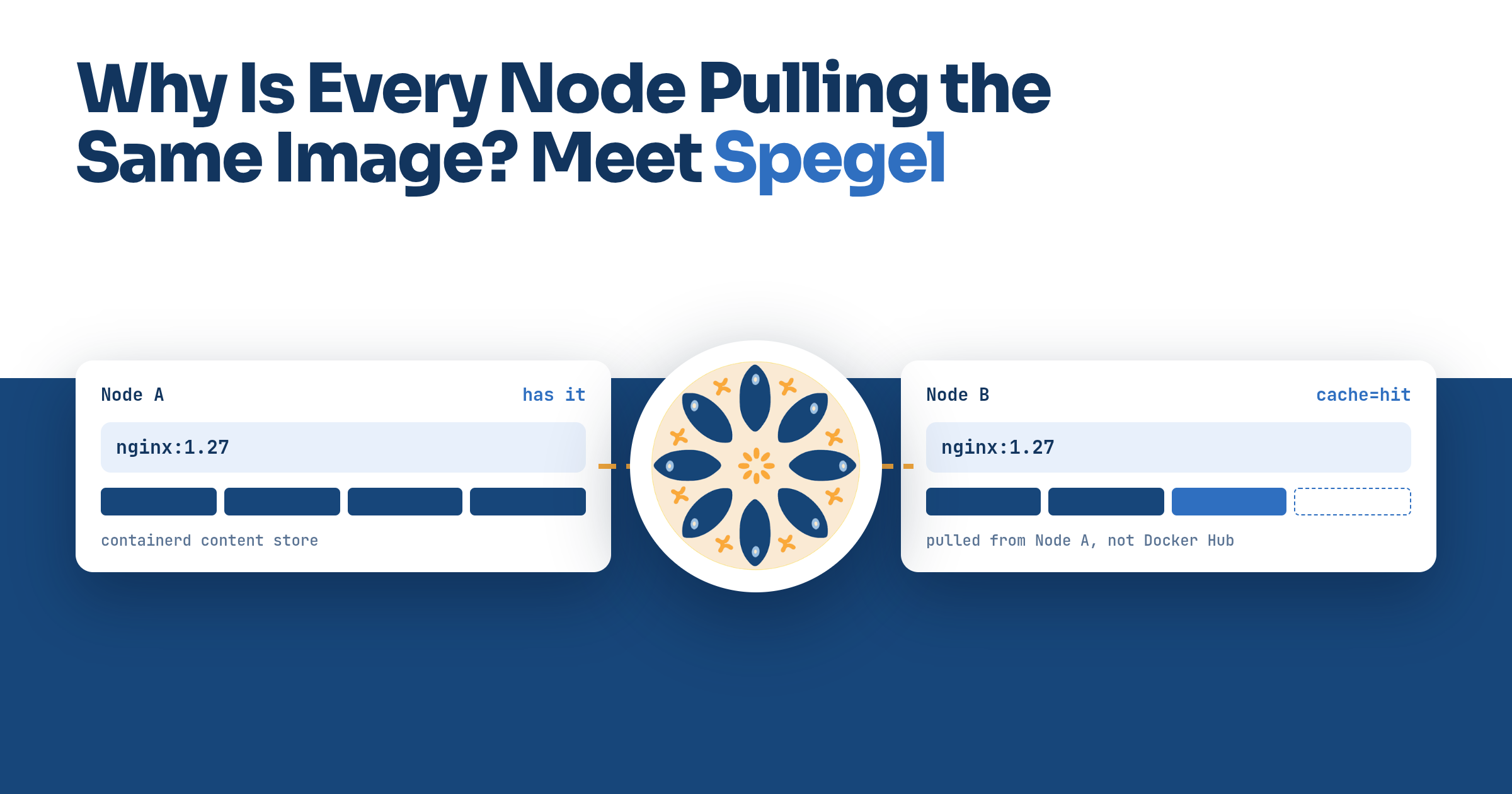
Why Is Every Node Pulling the Same Image? Meet Spegel

Node A has already pulled nginx, Node B has not, and a pod just landed on B. What Spegel does in that moment, and why it is safe when the answer is nothing: a DaemonSet that turns containerd's own content store into a cluster-wide mirror, finds peers through a Kademlia DHT, falls back to the real registry on a miss, and stores nothing of its own. Plus the containerd settings that make it work, the one that silently makes it do nothing, and a kind cluster to watch it on.

November 2026

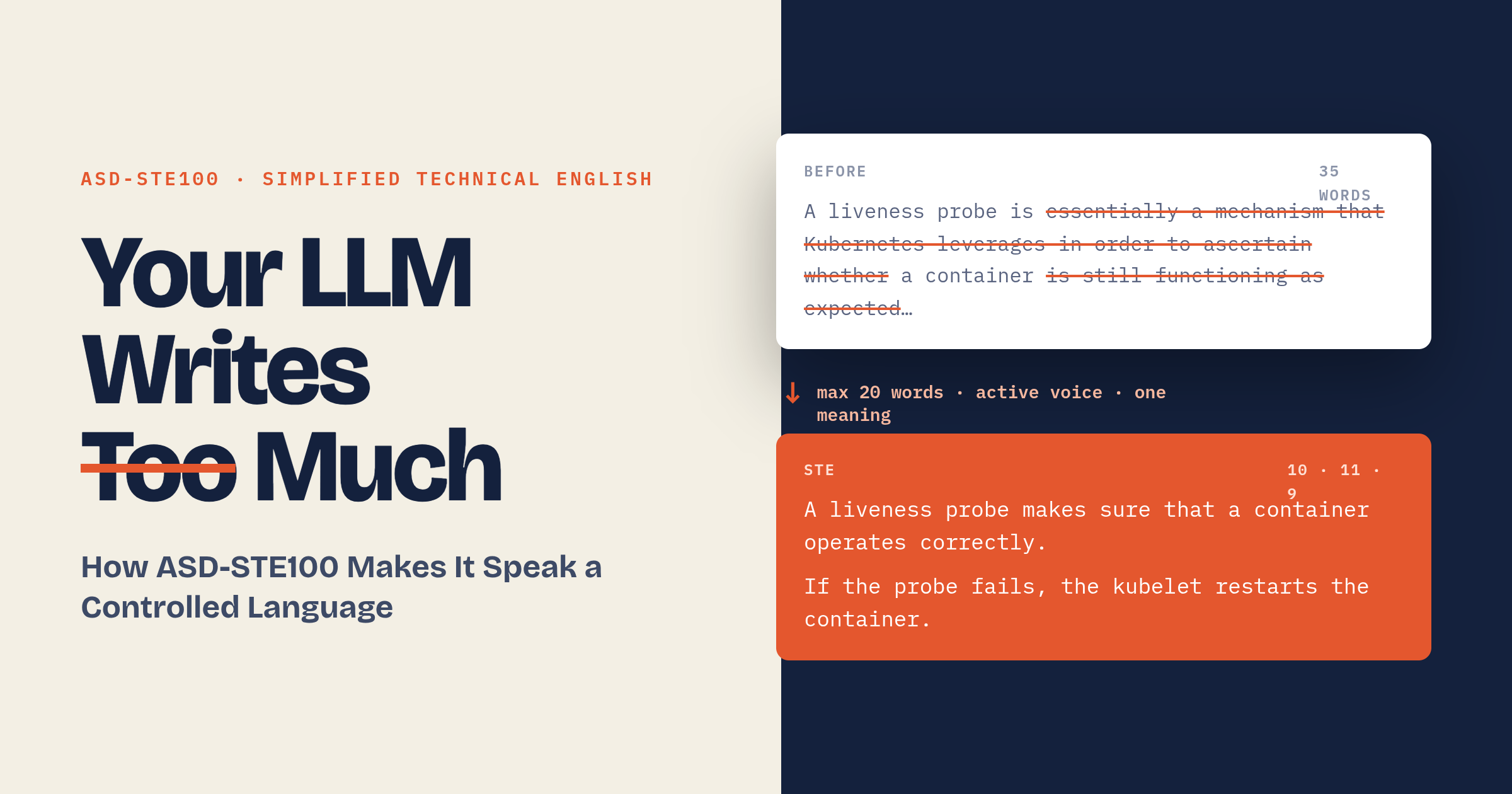
Your LLM Writes Too Much: How ASD-STE100 Makes It Speak a Controlled Language

ASD-STE100 is a forty-year-old aerospace standard for writing maintenance manuals that nobody can misread, the models already know it, and naming it in a prompt at about 80% strength is the cheapest editing pass there is.

October 2026

Kubernetes Audit Logging: Stages, Levels, and Policy Design

A breakdown of how kube-apiserver audit events actually work - request stages, audit levels, writing policies, and how SREs tune them differently for prod vs dev clusters.

June 2026

Grafana Showed My Node Was Out of Memory. It Wasn't.

Two Grafana dashboards, same node, same timestamp - one shows 62 GB used, other shows 10 GB. Both are correct. Here's the full story of how Linux memory actually works and which number you should actually be watching.

April 2026